
Paediatric nephrology is an exciting and diverse specialty. Many people are drawn to it because it is a great way to understand the physiology of challenging medical problems and to develop effective and sophisticated therapies, and because it lets you make a difference in the lives of children and families living with serious and often life-threatening disease.
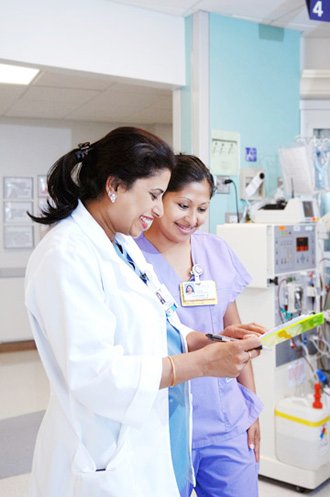
This page is for Canadian medical students and residents considering paediatric nephrology as a career. It is adapted from a CAPN pamphlet first written in 2014; the training requirements and workforce picture should be confirmed with your program director.
What is it like to work in paediatric nephrology?
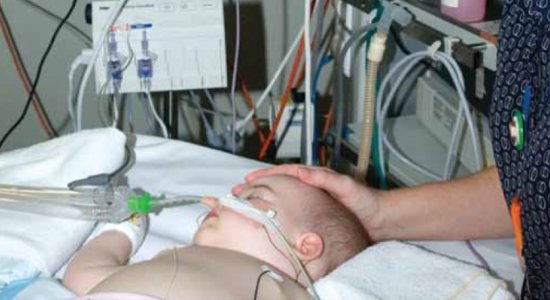
No two days are the same. You may find yourself applying concepts from developmental biology to understand congenital kidney disease, dialysing a child in the PICU with multi-organ failure, or working with a family to prepare their son or daughter for a kidney transplant. Paediatric nephrologists do much more than clinical work too. We are teachers, researchers and administrators, all of it challenging, and all of it work that makes a difference to the health of children and adolescents.
Are there jobs in paediatric nephrology?
Workforce projections have consistently pointed to ongoing demand for paediatric nephrologists in Canada. The best current picture will come from divisional members at your own site, who can tell you what is being recruited for and what each role requires.
Where will the jobs be?
Most paediatric nephrologists work in academic centres, but there is also a trend toward community practice. Community-based practices are often blended with general paediatrics and aligned with an academic centre, so that patients still get comprehensive nephrology care including dialysis and transplantation.
Training in paediatric nephrology
Paediatric nephrology is a two-year Royal College of Physicians and Surgeons of Canada subspecialty residency. Learners may enter after either three or four years of general paediatric training.
Two years of training is sufficient to obtain a licence to practise. Many residents choose to train beyond two years. This is not a Royal College requirement, but it is worth considering for competitiveness in the job market.
What supplemental training do residents choose?
- Clinical training in transplantation, dialysis, or fluid and electrolytes.
- Research training in the basic or clinical sciences, often funded through KRESCENT or the Canadian Child Health Clinician Scientist Program.
- Education training, through a master’s in medical education or in educational research and evaluation.

A national network
Paediatric nephrology centres in Canada run coast to coast. Each program is a stand-alone division, but the community is a collaborative one, with national efforts in research, clinical advocacy and education at every level.
Where to start
Talk to the training program director or divisional director at your own institution. They will know what a career in the specialty looks like day to day, and what the path from where you are now would involve.
- CAPN member profiles — how colleagues across the country describe their own work, filterable by clinical and research interest
- Canadian training sites — the eight centres offering subspecialty training, with a map
- CAPN KRESCENT awardees — research training awards, and the Canadians who have held them
- Trainee research awards — CAPN’s own awards and other funding for trainees
- Conferences — meetings where the community gathers
- Paediatric Nephrology Resident Handbook — a free guide to common topics in the specialty
Questions CAPN can help with? Email contact@capneph.ca.